Summary
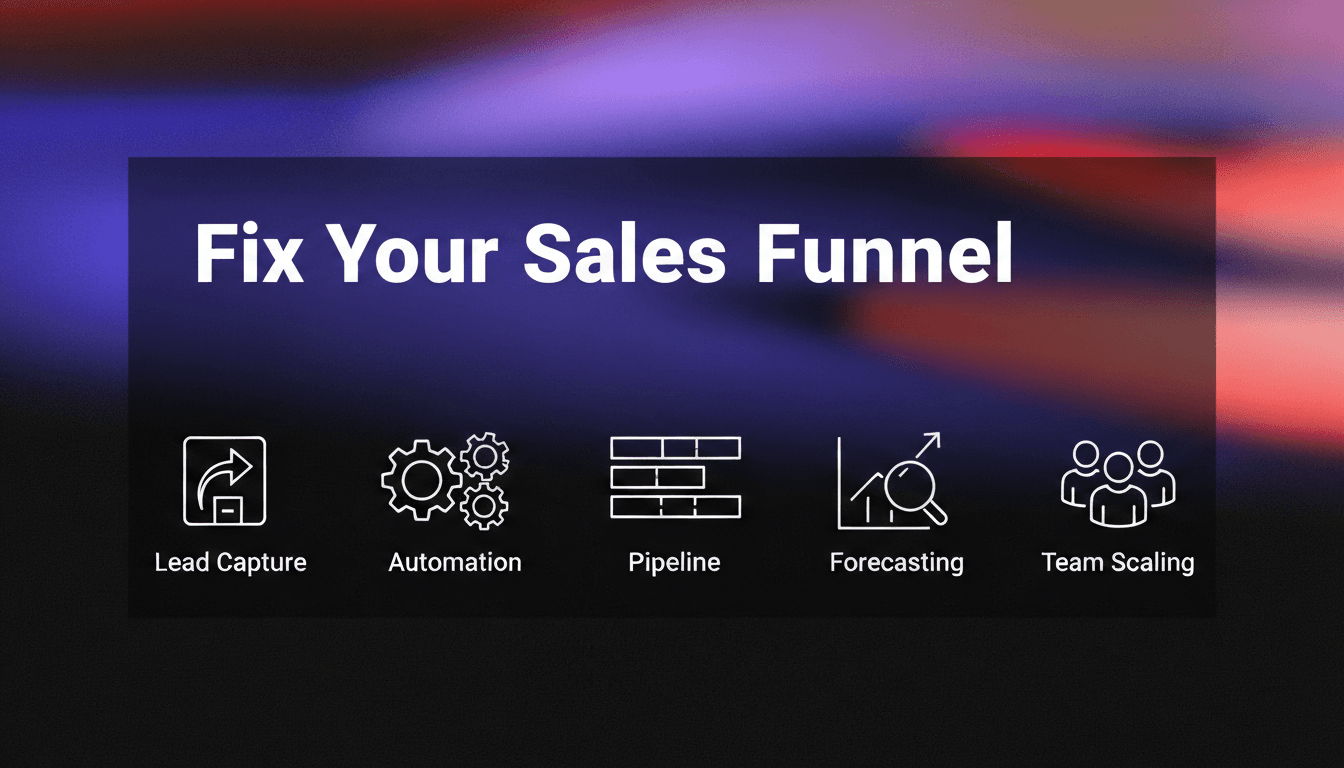
Sales leaders in Travel and Hospitality face unique pressures, from high volumes of inquiries across multiple channels to the need for fast, consistent follow-ups. Key challenges include losing leads through disorganized channels like WhatsApp and email, relying on manual processes that cause delays, lacking visibility into the actual sales pipeline, generating inaccurate revenue forecasts, and struggling to scale teams without creating operational chaos. This article breaks down these five core
Managing a sales team in the travel and hospitality sector is a high-stakes balancing act. Inquiries pour in from email, phone calls, web forms, and messaging apps, each one a potential booking that demands a swift, accurate response. Yet, many sales leaders operate with a critical disadvantage: a lack of structure. They rely on spreadsheets, manual reminders, and gut feelings to manage a process that requires speed, discipline, and precision.
This operational gap leads to predictable problems: lost leads, delayed follow-ups, and an inability to forecast revenue with any confidence. The result is not just lost bookings, but a reactive sales environment where teams are constantly fighting fires instead of executing a clear strategy. The good news is that these challenges are solvable. The solution lies in implementing structured systems that enforce discipline and provide total visibility. Here are the five most common challenges and how to solve them for good.
1. Lead Leakage from Disorganized Channels
The Challenge: Inquiries arrive from everywhere—WhatsApp, social media, phone calls, and web forms. Without a central system to capture them, leads are easily missed, forgotten in an inbox, or lost in a chat history. Every missed inquiry is a direct loss of potential revenue.
The Solution: Implement a system for centralized lead capture. The goal is to ensure that every single interaction, regardless of its source, is automatically logged and converted into an actionable lead within a single platform. This eliminates the need for manual data entry and removes the risk of human error. By funneling all communications into one place, you create a single source of truth for your sales pipeline, guaranteeing that no opportunity slips through the cracks.
2. Inconsistent and Delayed Follow-ups
The Challenge: Speed is critical in hospitality sales. A delay of even a few hours can mean the difference between winning and losing a booking. However, relying on individual sales agents' memories or manual calendar reminders to follow up is a recipe for failure. It leads to inconsistent response times, missed touchpoints, and a poor customer experience.
The Solution: Replace manual chasing with automated, rule-based follow-up sequences. Define clear Service Level Agreements (SLAs) for response times and create workflows that automatically trigger tasks and reminders for your team. For example, if an inquiry isn't actioned within 30 minutes, an alert can be sent to the agent and their manager. This approach doesn't replace human interaction; it supports it by ensuring the right actions happen at the right time, every time. It enforces accountability and discipline across the entire team.
3. No Visibility into Pipeline Health
The Challenge: Many sales leaders cannot answer a simple question with confidence: "What does our pipeline actually look like right now?" Spreadsheets and disconnected tools provide a fragmented and often outdated view. You can't see which deals are progressing, which are stalled, or where the bottlenecks are in your sales process.
The Solution: A structured sales pipeline is non-negotiable. Define clear, non-skippable stages for your sales process (e.g., "New Inquiry," "Proposal Sent," "Negotiation," "Booking Confirmed"). A visual pipeline where every deal is tracked in real-time gives you immediate, actionable insight. You can instantly identify deals that need attention, measure conversion rates between stages, and understand the overall health of your revenue engine at a glance. This visibility moves you from reactive problem-solving to proactive pipeline management.
4. Inaccurate, "Gut-Feel" Revenue Forecasting
The Challenge: When your pipeline data is unreliable, so is your forecast. Leadership teams are forced to rely on "gut-feel" estimates or overly optimistic agent reports to plan for the coming weeks and months. This makes strategic planning, resource allocation, and performance measurement nearly impossible.
The Solution: Base your forecasts on real, hard data. A structured CRM allows you to assign a probability and a value to each deal based on its stage in the pipeline. This weighted forecasting model provides a reliable, data-driven projection of future revenue. Instead of guessing, you can build forecasts based on the actual, live status of every deal. This transforms forecasting from an art into a science, delivering predictable results you can plan your business around.
5. Scaling Teams Creates Operational Chaos
The Challenge: As you hire more sales agents to handle growing inquiry volume, processes break down. Without a standardized system, each new team member adds to the inconsistency. Training becomes difficult, accountability suffers, and operational chaos begins to undermine your growth.
The Solution: Embed your sales process into a scalable system. A well-designed CRM acts as an operational playbook, guiding every agent through the exact same steps for every lead. New hires can become productive faster because the system shows them what to do next. Managers can monitor performance with standardized reports and dashboards. This allows you to scale your team and your revenue without scaling complexity or sacrificing control.
How Flow9 Funnel Solves These Challenges
These challenges are precisely why Flow9 Funnel was built for the travel and hospitality industry. It’s not a generic tool; it’s a revenue-focused operational system designed for teams that handle high-volume, fast-moving inquiries.
- Capture Every Inquiry: Flow9 centralizes leads from all channels—including WhatsApp, calls, and web forms—into a single, actionable pipeline. Nothing gets lost.
- Enforce Follow-ups Automatically: Our platform uses rule-based automation and SLA tracking to assign tasks and send reminders, ensuring no follow-up is ever missed. Your team executes with speed and discipline.
- Achieve Total Pipeline Visibility: With clear, visual pipelines, you get a real-time view of every deal. You can instantly see where deals are stuck and what needs to be done to move them forward.
- Forecast Revenue with Confidence: Flow9’s weighted pipeline delivers reliable, data-driven revenue forecasts. You can plan with confidence, backed by live data, not assumptions.
- Scale Without the Chaos: Our structured workflows provide a system of record that keeps your team aligned and accountable, even as you grow. It’s simple for frontline teams to adopt and powerful for managers to control.
Stop letting operational gaps dictate your revenue. By implementing a structured system, you can regain control, enforce accountability, and build the predictable sales engine your business needs to thrive.